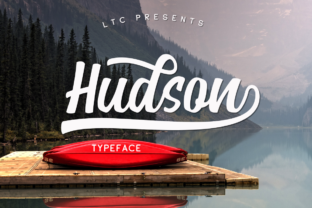
Hudson Font: Natural Hand-Drawn Type for Makers
The cursor blinked on my screen, waiting for the perfect title on a new line of soy candle labels. I had tried three different scripts already; one was too formal, another too messy to read at two inches wide, and the third simply lacked the organic warmth I wanted for this botanical collection. Then I loaded Hudson into my design software. As soon as I typed "Lavender & Sage," the label transformed. The letters didn't just sit on the digital canvas; they breathed. This hand-drawn font brought an immediate sense of nature and playful modernity that perfectly matched the handmade essence of the product. For crafters and small business owners, finding a typeface that bridges the gap between professional branding and artisanal charm is often the hardest part of product development, but Hudson makes that balance feel effortless.
Bringing Organic Warmth to Product Packaging
When designing for physical products, typography is tactile. Even though we design on screens, the end result is held in hands, stuck onto jars, or tied onto gift bags. Hudson draws its inspiration directly from nature, which translates beautifully into packaging design. While working on a recent batch of glass jar candles, I found that the font’s irregular strokes mimicked the natural variations in the wax and the dried flowers embedded in the top. It didn't look like a sterile computer-generated sticker; it looked like it belonged there.
This visual personality is crucial for perceived quality. Customers associate hand-drawn elements with care and authenticity. When using Hudson for boutique tags or thank-you cards included in orders, the font reinforces the idea that a real person made this item. It works exceptionally well for:
- Candle and Soap Labels: The playful curves soften the industrial look of barcode stickers and ingredient lists.
- Bakery Packaging: Perfect for window stickers on cookie boxes or stamped kraft paper bags.
- Skincare Jars: Adds a gentle, approachable vibe to minimalist amber glass containers.
- Gift Tags: Elevates simple cardstock tags into keepsakes that recipients want to save.
Because Hudson is a display font, it shines brightest when used for product names, scent descriptions, or short phrases rather than dense paragraphs. On a 2x3 inch label, keeping the text large allows the unique character shapes to remain legible while maintaining that signature hand-drawn aesthetic.
Designing Stationery and Wedding Suites with Character
Beyond product labels, Hudson has become a staple in my stationery workflow, particularly for wedding invitations and greeting cards. Modern couples often want wedding suites that feel personal and relaxed rather than stiff and traditional. Hudson offers a script amp alternative that feels fresh without being trendy in a way that will date quickly. When designing a welcome sign for a garden wedding, the font’s natural flow echoed the outdoor setting perfectly.
For printable creators, this typeface adds significant value to digital downloads. Whether you are designing editable birthday invitation templates or seasonal wall art, Hudson provides that premium font look that customers search for. However, readability remains paramount. When creating planner pages or journal covers, I use Hudson strictly for headers and monthly titles. Pairing it with a clean sans serif font for the dates and functional text ensures the design is beautiful but still usable. This contrast between the expressive script and structured body copy creates a professional editorial design that sells well in digital marketplaces.
Technical Considerations for Cutting Machines and Print
As makers, we aren't just designers; we are producers. A font might look gorgeous on a monitor but fail when sent to a vinyl cutter or printed on textured paper. Hudson’s hand-drawn nature means varying stroke widths, which requires some mindfulness during production. When cutting adhesive vinyl for mugs or tumblers, I always test the smallest size first. Intricate swashes or thin connecting lines can sometimes lift during weeding if the design is scaled down too aggressively.
For Cricut and Silhouette users, Hudson generally cuts cleanly at standard sizes, but utilizing the weld function is essential for script fonts to ensure smooth application. If you are creating iron-on designs for tote bags or shirts, consider slightly increasing the letter spacing or choosing a bolder weight if available to prevent peeling after washing. Always run a test cut on your specific material before committing to a full production run.
Print quality also dictates how Hudson performs. On uncoated, textured paper like linen cardstock or kraft, the ink may spread slightly into the fibers, softening the edges of the letters. This actually enhances the hand-drawn feel. However, on glossy or coated surfaces, the ink sits sharply on top, making the irregularities more pronounced. Both effects are desirable depending on the mood you want to achieve, but knowing this difference helps in selecting the right substrate for your project.
Building Brand Identity Through Typography
Consistency builds recognition. Using Hudson across multiple touchpoints—from your Etsy shop banner and social media graphics to your physical packaging and business cards—creates a cohesive brand identity. Because the font is playful yet modern, it suits a wide range of niches, from children’s apparel to eco-friendly home goods. It avoids the overly cursive formality of traditional calligraphy while steering clear of the chaotic illegibility of some grunge fonts.
When incorporating Hudson into logo design or social media templates, remember that it is a creative font meant to evoke emotion. Use it to highlight keywords that matter to your audience, such as "Handmade," "Organic," "Celebrate," or "Love." For longer brand stories or website copy, switch to a complementary serif font or simple sans serif to maintain web accessibility and reading comfort. This strategic font pairing ensures your branding is both aesthetically pleasing and functionally sound.
Licensing and Assets for Commercial Creators
Before listing any product featuring Hudson, verifying your licensing is non-negotiable. As a commercial font, usage rights vary depending on whether you are selling physical end products (like a printed mug) or digital assets (like a template where the customer manipulates the text). Most standard licenses cover physical products and flattened digital printables, but creating editable templates or SVG files for others to use often requires an extended license. Always check the specific terms included with your download.
Additionally, explore the full suite of design assets included with the font family. Many versions of Hudson come with alternates, ligatures, and swashes that allow for customization. Using these features prevents your designs from looking repetitive. If you create a series of holiday tags, utilizing different alternate characters for each tag adds variety and showcases the font's versatility. Multilingual support is another feature to verify if you serve international customers or create bilingual stationery. Taking the time to understand these technical details protects your business and ensures your creative vision translates seamlessly from screen to shelf.