Big Blue Font: Hand-Brushed Type for Makers
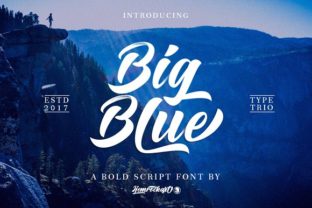
As a small business owner and crafter, finding the perfect typeface often feels like searching for a needle in a haystack. We need fonts that are not only visually stunning but also functional across various mediums, from vinyl decals to printed packaging. Big Blue is a delicately hand-brushed font that bridges the gap between artistic expression and commercial utility. Unlike many digital scripts that feel stiff or overly perfect, this typeface retains the organic warmth of traditional brush lettering while offering the clean lines necessary for professional production. For those of us creating physical products, printable templates, or branded merchandise, having a versatile font family is essential for maintaining consistency without sacrificing creativity.
Understanding the Three Unique Versions
What makes Big Blue particularly valuable for product creators is its inclusion of three distinct styles within one family. This versatility allows you to maintain brand cohesion across different product lines while adjusting the visual weight to suit specific applications.
- Big Blue Script: This is the elegant, clean handwritten script font at the heart of the collection. It features fluid connections and natural stroke variation, making it ideal for wedding invitations, delicate jewelry tags, and feminine branding. The readability remains high despite its decorative nature, which is crucial for customer-facing information.
- Big Blue Bold: A strong play on the original script, this version adds significant weight and presence. It is perfect for headers on social media graphics, large-format signage, or product titles where the text needs to compete with busy backgrounds or photographs. The boldness ensures legibility even when scaled down slightly for stickers or labels.
- Big Blue Rough: This variation introduces texture and grit, mimicking the look of dry brush strokes on paper. It adds an instant vintage or rustic charm, making it a go-to choice for farmhouse decor, artisanal food packaging, or seasonal craft designs where a polished look might feel too sterile.
Practical Applications for Physical Products
When designing for physical goods, the tactile quality of the font matters as much as its digital appearance. Big Blue translates exceptionally well to manufacturing processes because of its deliberate stroke construction. For Cricut and Silhouette users, the Big Blue Bold version is often the safest bet for adhesive vinyl projects. The thicker lines reduce the risk of tearing during weeding and ensure the decal adheres properly to textured surfaces like canvas tote bags or wooden signs. Conversely, the standard Script version shines in print-on-demand applications. Its refined edges prevent ink bleed on porous papers, making it excellent for greeting cards, planner inserts, and art prints.
Consider the impact of typography on perceived value. A candle label featuring the Big Blue Rough font immediately communicates a handmade, small-batch aesthetic that justifies a premium price point. Similarly, using the clean Script version on a boutique clothing tag suggests attention to detail and elegance. As makers, we know that customers buy with their eyes first; the right font acts as a silent salesperson, conveying quality before they even read the product description.
Elevating Digital Downloads and Templates
For creators selling editable templates or digital printables, font selection directly impacts user satisfaction. Customers purchasing wedding invitation templates or social media kits need display fonts that are easy to manipulate without breaking. Big Blue serves as an excellent anchor font in these design assets. Because it balances ornamentation with clarity, end-users can easily customize names and dates without worrying about illegible swashes or awkward spacing.
In the realm of wall art and quote prints, this handwritten font provides the emotional resonance that generic sans serif fonts lack. When creating SVG files for sale, offering designs utilizing Big Blue can differentiate your shop from competitors using overused free fonts. The unique character shapes provide enough visual interest to stand alone as art, reducing the need for excessive clipart or embellishments. This simplicity is key for modern typography trends, where negative space and strong type are preferred over cluttered compositions.
Readability and Production Best Practices
While Big Blue is undeniably beautiful, practical readability must always come first in commercial design. When using the Script version for product labels, avoid setting long paragraphs of text. Reserve this expressive typeface for names, short phrases, titles, and decorative wording. Pair it with a simple sans serif font or a clean serif font for ingredients, instructions, or fine print. This font pairing strategy creates a professional hierarchy that guides the customer’s eye and ensures all necessary information is accessible.
Always test your designs at actual size before mass production. A font that looks gorgeous on a 27-inch monitor may become illegible on a 2-inch sticker. For small-scale items like return address labels or favor tags, opt for Big Blue Bold or increase the tracking on the Script version to improve separation between letters. Additionally, check the included alternates and ligatures. Utilizing these OpenType features can prevent repetitive letterforms in longer words, adding a custom, hand-lettered feel that elevates the overall design quality. If you are working with multilingual content or special characters, verify language support in the font file to avoid fallback fonts disrupting your layout.
Navigating Commercial Licensing for Sellers
One of the most critical aspects of using any premium font for business is understanding the licensing terms. Before listing products featuring Big Blue, review the specific commercial license included with your purchase. Most standard commercial licenses cover the creation of physical end products like mugs, shirts, and stationery, as well as digital downloads where the font is flattened or outlined. However, if you plan to use the font in a logo design, web design, or as part of a template where the end-user interacts with the live font file, you may require an extended or specialized license.
Protecting your business means respecting intellectual property. Proper licensing not only keeps you compliant but also supports the type designers who create these essential tools. When marketing your products, you do not need to credit the font publicly, but keeping records of your licenses is a best practice for any serious handmade seller or creative entrepreneur. By treating typography as a foundational business asset rather than just a decorative afterthought, you build a stronger, more recognizable brand identity that resonates with your target audience.
Integrating Big Blue Into Your Creative Workflow
Incorporating Big Blue into your design repertoire offers a fresh alternative to the ubiquitous scripts that dominate the marketplace. Its hand-brushed origin brings authenticity to digital designs, while its three variations provide the flexibility needed for diverse product catalogs. Whether you are designing a rustic wedding welcome board, a modern printable planner, or a line of organic skincare labels, this typeface adapts to the task without losing its inherent charm.
Remember that great design is about solving problems. If your current labels feel hard to read, try the Bold version. If your branding feels too corporate, introduce the Rough texture. If your invitations lack romance, lean into the elegant Script. By thoughtfully applying these styles and pairing them with complementary supporting typefaces, you transform simple text into a powerful element of your product's story. Ultimately, Big Blue is more than just a collection of glyphs; it is a tool for connection, helping your handmade creations speak directly to the hearts of your customers through the universal language of beautiful lettering.