Kalisha Font: Elevating Handmade Labels and Designs
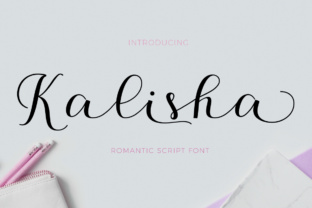
Sitting at my workbench late last Tuesday, surrounded by amber glass jars and sheets of matte vinyl, I found myself staring at a candle label that just wasn't working. The product was a luxurious lavender and sage soy blend, but the typography felt stiff and disconnected from the organic warmth of the wax. I needed something that whispered "hand-poured" rather than shouted "factory made." That is when I pulled up Kalisha on my design screen. As soon as I typed out the scent name using the Regular weight and engaged those stunning swashes, the entire mood of the packaging shifted. It wasn't just text anymore; it was an invitation to relax. For fellow makers and printable creators, finding a typeface that bridges the gap between digital precision and handmade soul is rare, but this modern calligraphy style design manages to do exactly that.
Bringing Warmth to Product Packaging and Labels
When we create physical products, whether they are boutique candles, artisan soaps, or small-batch skincare, the label is often the first tactile interaction a customer has with our brand. Kalisha excels here because its visual personality feels inherently personal. Unlike rigid serif fonts or overly chaotic handwritten scripts, this font strikes a balance of elegant readability and artistic flair. In my own testing with adhesive labels for glass containers, the Bold weight provided enough visual anchor to stand out against dark backgrounds, while the Regular weight offered a delicate touch for lighter, minimalist packaging.
The real magic, however, lies in the swashes. These aren't just decorative afterthoughts; they are functional design elements that help guide the eye across a curved surface. When designing a wrap-around label for a tumbler or a jar, extending a swash from the final letter can create a sense of flow that mimics hand-lettering. This attention to detail elevates the perceived quality of the item instantly. Customers often equate beautiful typography with premium ingredients and careful craftsmanship. By using a premium font like Kalisha, you signal that every aspect of your business, down to the sticker on the lid, has been considered with intention.
Designing Wedding Stationery and Greeting Cards
Beyond product labels, this typeface has become a staple in my stationery workflow. Wedding invitations and greeting cards require a specific emotional resonance that standard display fonts simply cannot provide. Recently, while mocking up a suite for a fall wedding, I used Kalisha for the couple’s names and the header text. The modern calligraphy style feels romantic without being dated, making it perfect for contemporary couples who still want traditional elegance.
For card makers and Etsy sellers offering customizable templates, versatility is key. Because Kalisha comes in two distinct weights, you can create hierarchy within a single design family. I often use the Bold weight for the main event title or names on an invitation, switching to Regular for secondary details like dates or venue names. This maintains brand consistency while ensuring the most important information pops. When designing printable wall art or quote cards, the swashes add a custom illustration feel, reducing the need for additional clipart or floral elements. The font itself becomes the decoration, saving time and keeping the design clean and focused.
Practical Tips for Cutting Machines and Small Text
As someone who frequently uses Cricut and Silhouette machines for stickers and decals, I have to address the practical side of using script fonts. Not all calligraphy translates well to vinyl, but Kalisha is surprisingly cutter-friendly. The strokes maintain a consistent thickness that prevents tearing during the weeding process, even at smaller sizes. However, as with any creative font, size matters. For intricate swashes, I recommend keeping the design above two inches in width to ensure the fine details remain crisp after application.
Readability is another crucial factor for handmade sellers. While the swashes are gorgeous, they should be used strategically. On a product label where ingredient lists or safety warnings are required, avoid placing elaborate flourishes near essential text. Let Kalisha shine as the hero element—the product name or brand logo—and pair it with a clean sans serif font or simple serif font for the functional copy. This font pairing not only ensures compliance and legibility but also creates a professional editorial look that distinguishes your shop from hobbyist competitors. Always test cut a sample before committing to a full production run, especially if you are using textured paper or specialty vinyl that might interact differently with the blade.
Versatility Across Digital Downloads and Merchandise
The utility of Kalisha extends far beyond paper and vinyl. In the realm of digital downloads, such as planner pages or social media templates, this font adds a layer of sophistication that encourages sales. When creating listing images for Etsy, using a high-quality typeface helps potential buyers visualize the end result. I have found that mockups featuring Kalisha tend to perform better because the text looks intentional and polished rather than generic. For merchandise like tote bags, mugs, and shirts, the Bold weight provides the necessary opacity for screen printing and heat transfer vinyl, ensuring the design remains vibrant after washing and wear.
Seasonal crafting also benefits immensely from this versatile asset. Whether you are designing holiday gift tags, Valentine’s Day cards, or autumn welcome signs, the neutral yet expressive nature of the font allows it to adapt to various themes. It doesn't scream "Christmas" or "Halloween," which means you can use it year-round without your designs feeling out of season. This longevity makes it a valuable investment for your design asset library. Instead of buying a new script for every holiday, you can rely on Kalisha as your go-to modern typography solution, adjusting colors and supporting graphics to set the seasonal tone.
Licensing and Technical Considerations for Sellers
Before incorporating any new typeface into your commercial workflow, it is vital to understand the licensing and technical specifications. When downloading Kalisha, check the included file formats to ensure compatibility with your software. OTF and TTF files are standard for desktop design programs, while SVG files are essential for cutting machine users. Additionally, verify multilingual support if you create products for international markets or bilingual packaging; nothing ruins a professional label faster than missing accents or unsupported characters.
Most importantly, confirm the commercial font licensing terms. As handmade sellers and template creators, we must respect intellectual property while protecting our businesses. Ensure your license covers the specific use case, whether that is selling physical products, editable templates, or digital printables. Some licenses differentiate between selling a finished candle and selling a Canva template where the end user can manipulate the text. Clarifying these details upfront prevents legal headaches later. When you treat typography with the same respect as your raw materials, you build a sustainable, ethical creative business that customers trust and admire.
Ultimately, Kalisha is more than just a collection of glyphs; it is a tool for storytelling. From the moment you type out your brand name to the final peel of a sticker backing, this font brings a tangible sense of care to your creations. It reminds us that in a world of mass production, the details still matter. Whether you are refining your shop branding, launching a new line of greeting cards, or simply trying to make your next candle label sing, this modern calligraphy style offers the perfect blend of beauty and function. Grab your stylus, fire up your cutting machine, and let the swashes lead your next creative project.